
Go Back

Tirana Property Prices by District in 2026: Where to Buy

Mar 8, 2026
5 min read

District Guides

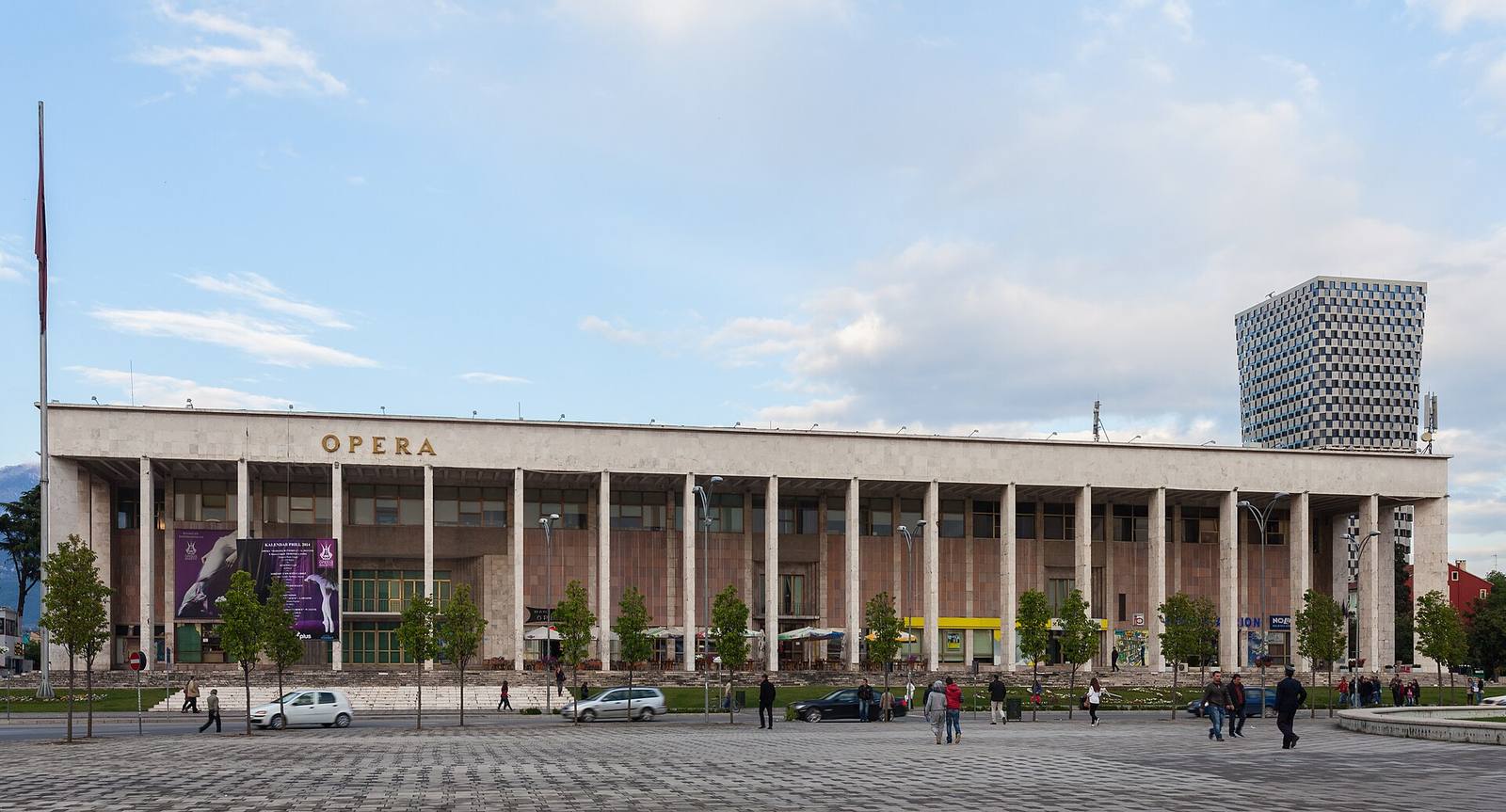
The Palace of Culture on Skanderbeg Square, Tirana
Contents

A Tirana apartment costs from about €1,000/m² in Kombinat to €3,000–5,500/m² for a new build in Blloku, six kilometres apart in the same market. Inside the Small Ring the average is €2,054/m², just outside it €1,768. Citywide growth stalled at 0% quarter-on-quarter in the second half of 2025.

The citywide picture has also changed since the headline "Tirana real estate boom" stories were written. After price growth of 32–56% year-on-year through 2024 and early 2025, the Bank of Albania's H2 2025 index showed 0% quarter-on-quarter in the capital — the fastest-growing market in Europe went flat inside six months, even while the national figure kept climbing on the strength of the coast.

Where the money goes: prime to periphery

DistrictNew build €/m²Resale €/m²1+1 rentNotes
Blloku3,000–5,5002,500–3,500€500–700prestige, walkability, capped yield — the country's highest government reference price
Liqeni Artificial2,400–3,000 (luxury to 10,000)2,000–2,700one of the highest reference prices in the city, just behind Blloku
Komuna e Parisit2,000–3,0001,700–2,200€350–500family-prime without Blloku's noise
Myslym Shyri2,000–2,5001,500–2,000€350–450highest local liquidity in the city
Bulevardi i Ri, 1st line2,700++36% in a year, the fastest mover
Don Bosko1,500–2,0001,200–1,600€250–400gentrifying, €100–300 cheaper rent than Blloku
Astir / Unaza e Re1,200–1,500900–1,200€200–350biggest new-build front — and biggest oversupply risk
Kombinat1,000–1,300700–1,000from €150–200cheapest "real" district with its own identity

Figures are DomLivo's synthesis of Troja.al's April 2026 district survey and Monitor/Shqiptarja field reporting from sales desks — confidence is 🟢 on the well-documented zones (Blloku, Komuna e Parisit, Kombinat) and 🟡 where only one or two sources report a range.

Why two streets a block apart cost differently

The city's own price data answers a question every buyer asks eventually: why does the flat on the corner cost 20% more than the identical one round the block?

The New Boulevard is the clearest case. First-line units, facing the boulevard itself, start at €2,700; second-line units one street back sell for €1,900 — that second-line price is also the one that rose 36% in the past year, because the whole zone is repricing around a master plan that hasn't finished yet: the city hall and courts are relocating there, and a Qatari grant is funding the central square. The premium is for a finished view of a project that is currently a construction site.

Inside the Small Ring the average is €2,054/m²; immediately outside it, €1,768 — a distinction with no physical marker, purely psychological, and the market prices it at 16% anyway.

Fresku, on the eastern slope toward Dajti, rose 16–27% after a new road connected it to the Grand Ring — while a nearby street with no new road access, Kokonozëve, saw no movement at all with the same nominal price. Same neighbourhood, same starting price, different access to the one thing that actually moved the other one.

The zones actually worth watching

Kombinat is early-stage gentrification with a real identity — a 1950s textile-workers' town, not an anonymous suburb — and it is catching up to Don Bosko's price band from below.

Astir/Unaza e Re carries the largest new-build pipeline in the southwest and, with it, the city's clearest oversupply risk: reference prices there jumped 76% in 2023 alone, and Investropa's own read is a possible 10–15% discount if that supply lands faster than demand.

Bulevardi i Ri is the one genuinely speculative call on this list — a three-to-seven-year horizon riding on government project timelines the KB flags as historically unreliable.

The market the table above doesn't cover

Every figure so far is the apartment market. Above it sits a gated-villa segment the district table doesn't track, because it isn't priced per square metre the same way. Farkë/Lundër, on the southern edge near Lake Farka, is the capital's main gated-villa corridor — a run of developments aimed at expat management and diplomatic tenants: Rolling Hills, Piccadilly, Farka Lake Shore, Collina Verde, with individual units listing from roughly €690,000 to €1.73 million. The embassy district around Rruga e Elbasanit sits at the very top, with villa listings quoted at $4.1–6.4 million — the US, Dutch and Spanish embassies are all on that street, and almost nothing new gets built there. Neither zone competes with anything in the table above; they're a different product for a different buyer, and worth knowing about mainly so a €2,500/m² Blloku listing doesn't get mentally anchored against a €6 million villa a few kilometres away.

What this means if you're buying now

The plateau in Tirana and the 19-salary affordability ratio both point the same direction: a buyer here has more negotiating room in 2026 than at any point in the last three years, in the districts that already repriced hard. Whether that makes this the right year to buy is a separate, honest question — the coast is telling a different story from the capital right now, and conflating the two produces bad advice either way.

Whichever district you land on, the purchase mechanics don't change — notary, ASHK, the same eight things to check on the title regardless of whether the flat costs €800 or €5,500 a metre.

Frequently asked questions