Go Back
Rental Yield in Albania for a Foreign Investor: Long Let, Summer Let, Tax and the Manager's Cut
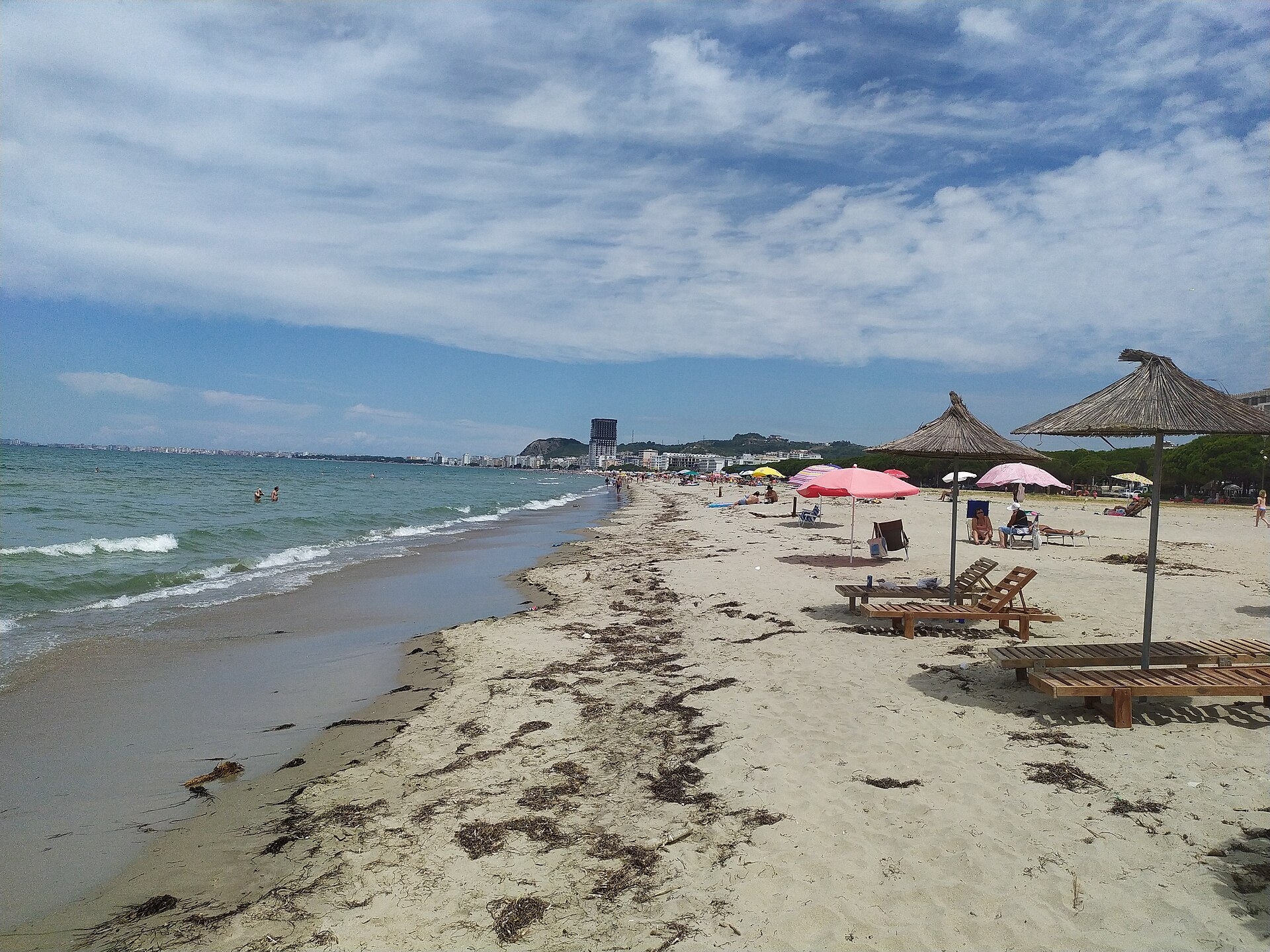
Our research describes the typical Polish buyer in Albania like this: Sarandë, Ksamil or Durrës, a budget of €70,000–150,000, a flat to let to tourists and use for holidays, and an expected return of 10–16% a year, usually heard from a Polish-language intermediary. We read that promise as the top quartile of short lets presented as the average. This article sets out what the data supports, with its confidence, and marks what is missing. None of it is a promise of return; every figure is an estimate or an asking price, and we say which.
About 4–6% gross in Tirana, 4.5–6% in Durrës, 4–5.5% in Vlorë and 3.5–5% in Sarandë, by our working estimate for 2026. Net yield, after the 15% tax, building fee, insurance, vacancy and a repairs reserve, is typically 1.0–1.5 percentage points lower. The only independent series, Global Property Guide, is from the third quarter of 2022 and gave 6.1% for Tirana and 4.5% for Durrës.
Behind those percentages are asking rents. In Durrës a one-bedroom flat is advertised at €250–400 a month in the centre; a marketplace sample of 18 listings in September 2026 had a median of €390. At the beach the same flat asks €200–350 in winter and €400–600 in summer. We hold these at low-to-medium confidence: the samples are small, and they are what landlords ask.
How a long let works in practice: the deposit is usually 1–2 months' rent, a lease longer than a year is written and notarised, notice is 30–90 days, the tenant pays for consumption, and reported vacancy is 4–8%.
For a one-bedroom flat let full time and run well, the model estimates are €10,346–12,533 gross a year in Durrës city, at 50–53% occupancy and an average nightly rate of €55–63, and €13,805–17,040 in Sarandë. Golem is a summer market: about €6,800–8,800 from May to September. These are estimates from analytics platforms, before fees, costs and tax, not payouts.
The occupancy caveat is the one brochures skip. Analytics platforms count in two ways. Across all listings, including flats let only part of the year, occupancy is 25–39%; for listings available full time it is 53–62%. Nationally the all-listing figure is 26.5% for the year, 55.7% in August and 13–16% from November to March. If a seller quotes you an occupancy, ask which of the two it is.
Supply is the other caveat. Active listings in Albania rose from 6,342 in April 2020 to 32,229 in April 2026. In 2025 listings in Durrës grew by 69% while revenue per listing rose 2.6%. Hosts who price dynamically reach 44.9% occupancy against 16.5% for those with a fixed price. The return now depends on how the flat is run more than on where it is. City-by-city figures are in Airbnb income in Albania by city.
At a flat 15%, for residents and non-residents alike. On a long let it is 15% of the gross rent. On a short let through Airbnb or Booking it is 15% of what remains after the platform's commission, and cleaning, utilities and a manager's fee are not deductible. An individual needs no business registration for pure letting, and declares the income in DIVA by 31 March of the following year.
What a Polish owner should add to that:
The purchase and ownership taxes are in what tax you will pay.
No Albanian manager publishes a price list. The reported bands are 10–15% of income for partial service (listing, pricing, guest messages), 20–30% for full service and up to 40–45% for premium firms. Only about 7% of listings, 2,207 of roughly 32,000, are professionally managed. Add the platform: Airbnb takes 3% from the host on its split-fee model or about 15.5% on the host-only model, and Booking about 15%.
Running costs of a short let, including utilities, cleaning and consumables, are reported at €150–200 a month. A professional clean between guests costs an estimated €17–33, more than the median cleaning fee guests pay in any Albanian city, so part of it comes out of the nightly rate.
Put together, our estimate for a Durrës flat grossing €11,000 a year is that the owner keeps about €6,600–7,200 self-managing on Airbnb, and about €3,500–4,100 with a full-service manager at 25% on mixed platforms, both after tax. A manager at that fee pays for itself only if it lifts gross income by about 30% or more. For coastal one-bedroom flats we have no data showing that it does.
In our base case, which assumes self-management, 52% occupancy and a furnished flat, the estimated net yield on the total investment is 6.7% for a short let in Durrës, 7.3% in Sarandë, 4.3% in Tirana and 3.9% in Vlorë; a Golem flat let by the night in summer and by the month in winter comes to 6.0%. An annual contract nets 1.6–3.6% everywhere.
The spread matters more than the middle. With a 25% manager, 45% occupancy and Booking-heavy platform costs, the same purchases fall to 0–2.4% net; the optimistic case reaches 9–10% in Sarandë and Durrës. These are model outputs on asking prices and estimated income. A full worked example is in a real Durrës rental investment.
Quite a lot. For Durrës there are asking rents from small samples and platform model estimates of short-let income, and nothing else: no published achieved rents, no actual host payouts, no overnight-tax amount and no service charges for resort complexes. A seller who quotes you any of these as fact is guessing. The gaps, one by one: